
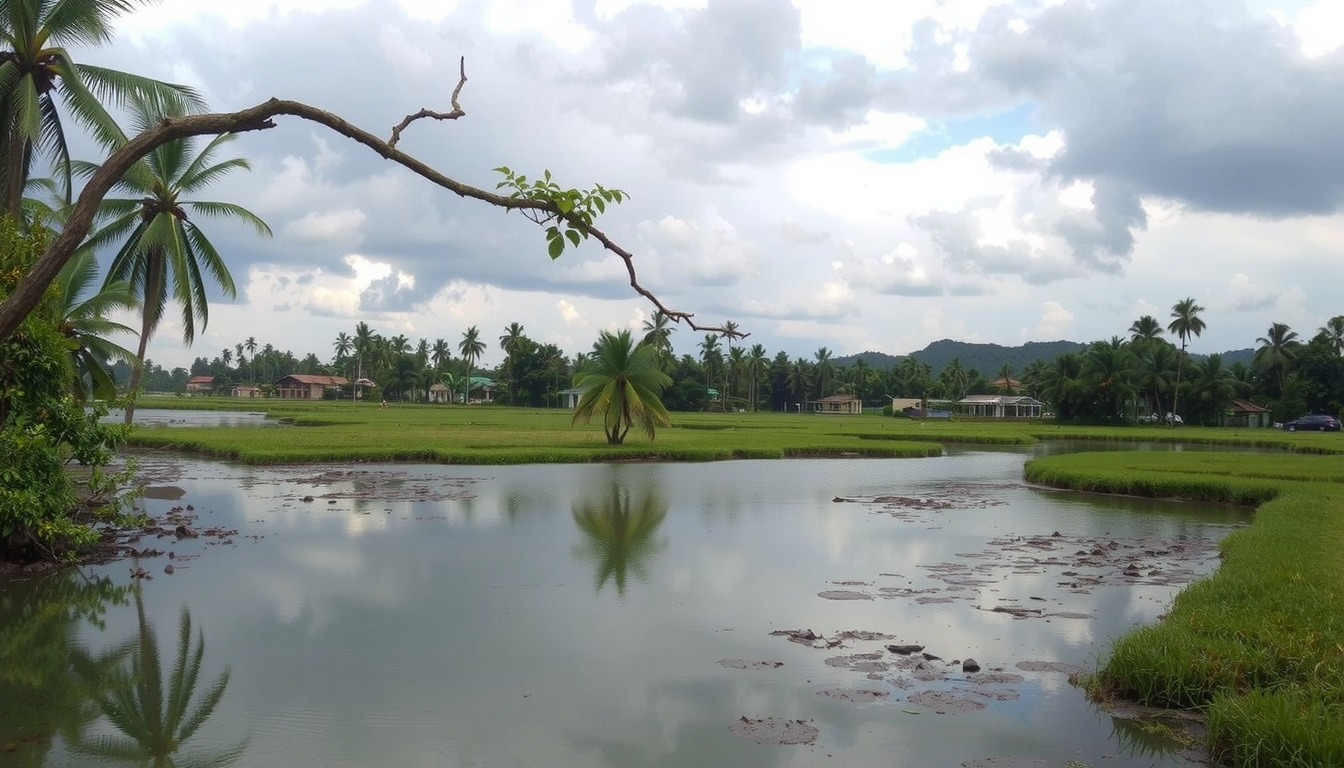
How Kerala Weather Changes Are Reshaping Life in God’s Own Country
Imagine the monsoons of 2023 dawdling three weeks behind schedule. Cracked earth mocks the farmers’ gaze. Bone-dry fields stretch endlessly. Fishermen puzzle over patterns their grandfathers swore by, now fickle as a summer storm. No accident here. A siren wails from the data. Old logs from scientists falter against the chaos ahead. These Kerala weather twists yank at lives, jobs, dreams for millions sprawled across the green state.
Dive into the grit of it all. Ditch the foggy projections. We follow the stark tracks etched in soil and clouds. Blowback slams fierce. Folks cobble up shrewd dodges, sometimes even thrive amid the mess. Numbers spill hidden truths. Voices from the villages pulse with grit that bends but never breaks. Graspable moves wait for anyone ready to seize them.
Kerala Weather Changes: Documented Shifts Over Two Decades
India’s weather watchers logged it clear from 2003 to 2023: Kerala’s average heat edged up 0.8 degrees Celsius each year. Dismiss it as small. Waves crash far inland. Those southwest monsoons dumping 75 percent of the rain? They lurch in odd hours now, wild in force. Take 2018. Kerala gulped 2,348 millimeters, 42 percent over the old marks. Floods chewed the land raw. Over 200,000 souls fled homes. Damage tallied past 5,000 crore rupees straight hit.
Then 2022 flipped the script. Rain skimped to 1,650 millimeters, 22 percent short. Crops shriveled in the farm heartlands. Thirst clawed the ground. These wild swings etch the fresh norm. Gone are the even monsoons. Deluges crash into droughts. No calm between.
Arabian Sea skin heats 1.2 degrees since 1990. That brew spins fiercer cyclones. Tej in 2023 rammed Kerala’s shore at 140 kilometers per hour. Before 2000, such beasts scarce prowled. Toasty waters juice them up. Bets rise on nastier blows ahead.

Coastal Erosion: When the Arabian Sea Becomes the Enemy
Kochi port ledgers sketch the pullback. Vypin Island’s edge gnaws back 1.8 meters a year from 2015 to 2022. Back in the 1980s, mere 0.4 meters. Swelling seas from heat swell and glacier weep speed the theft. Five hundred ninety kilometers of coast hunker under assault. Fishing nooks like Ochira, Neendakara? Gulped by waves. Houses. Plots. Holy spots. All ghosts now.
Salt sneaks into deep water veins. It taints 15,000 hectares of shore farms. Coconut, cashew, spice tenders watch salt sour their dirt. Thiruvananthapuram district shed 8,000 hectares of good ground since 2010. Figures that wound deep. Shacks crumble. Kin packs up old bloodlines.
Biodiversity Under Pressure: Forests and Wildlife Facing Transformation
Western Ghats hug Kerala’s east flank, nursing a global lifeburst zone. Heat shoves beasts uphill. Nilgiri tahrs, 3,600 strong on ridges, cram tighter scraps. Life belts climb 30 meters per decade. Chill cravers hit a wall. Peaks end somewhere.
Spice cores stumble in the weather fray. Pepper harvest slid from 75,000 tons in 2000 to 48,000 in 2022. Cardamom, cloves tumble too. Freak rains, heat jolts spawn bugs, rots. Polka dot blight chews pepper faster in steamy swelter. Fungicide bills gobble 35 percent of would-be profits.
Water Security: From Abundance to Scarcity
Three thousand millimeters of rain drench Kerala yearly. Plenty? Think once more. Downpours scatter wild. In 2022’s dry drag, dams sagged to 23 percent full. Farmers pinched every drop. City folk choked on cutoffs. Cochin, 600,000 strong, metered taps for the first time in ages.
Thirsts suck ground pools dry fast. Ernakulathapuram’s water line dove 4.2 meters from 2015 to 2023. Tube wells feeding 65 percent of village life wobble near empty. Models cry that by 2050, water shrinks 45 percent if smokestacks belch on. Old deep stores fade in lifetimes.
The Health Dimension: Environmental Changes and Human Wellbeing
Choppy heat, rain spur bug armies. Dengue leaped from 2,400 cases in 2010 to 19,800 in 2022. Mosquitoes glut on the muggy brew these shifts cook up. Malaria, all but gone by 2015, bounced to 1,200 in 2021 as fresh pools bloomed.
Sizzlers stack up. Nineteen-nineties tallied twelve days over 35 degrees Celsius. Twenty-two hit thirty-one. Brick haulers, field hands, sun slaves wheeze in the blaze. Heat knocks, thirst fells. Clinic rushes for scorch woes leaped 67 percent from 2015 to 2023. Ages 18 to 55 bear the brunt, scant shade or chill to claim.
Sustainable Living in Kerala: Practical Adaptation Strategies Communities Implement
Idukki growers swing to tough-root plants. Dry-proof strains slash thirst 40 percent, yields hold firm. Drip lines sprawl from 2,000 hectares in 2010 to 28,000 in 2024. Drops kiss roots. No mist lost to old flood baths.
Trees lace spice groves for cover, ballast. Cardamom under coconut, mango boughs rides gales finer, bags 15 percent more coin in thin times. Wayanad flipped 3,200 hectares to agroshade since 2018, propping 8,400 homes.
Shore folk replant mangroves. Triple haul: trap carbon, blunt surge, lure fish back. Cochin push reborn 450 hectares since 2015. Cyclones lose 66 percent punch. These greens snag tenfold carbon over land woods.
Kochi homes snag roof runoff, grab 85 percent fall. Cuts city pull 40 percent per house. Rules force harvest on builds over 500 square meters. Six hundred plus spots joined since 2021.
Old farm lore blends with fresh tools. Mulch from dusty tomes seals wet, trims need 30 percent. Tough-era seeds banked near. Periyar holds 1,200 strains tuned to Kerala’s quirks. They outpace shop stock in flux.
Individual Actions: What Each Person Can Implement Today
Trim house power draw. LEDs gut use 75 percent versus old glows. Swap fifteen, bills drop 1,200 rupees monthly, carbon sheds 0.8 tons yearly. Sun heaters nix grid heat, spare 1,500 kilowatt-hours for four souls a year.
Plate picks weigh heavy. Home veggies nix 90 percent haul fumes over far-haul goods. Meat skip one day weekly trims print 1.2 tons, matches 4,800 kilometers driven. Kerala’s bounty—veggies, fruits, coconuts—feeds kin, backs growers, eases earth strain.
Fit thrift taps. Low showers cut from 15 to 6 liters a minute. Four save 27,000 liters yearly. Drip faucets at 5 milliliters a minute spill 2,600 monthly. Tank seeps gulp 20,000. Two hundred rupee fixes stop it cold.
Compost scraps. Four kilos weekly dodge dump gas, yield free soil boost. Pack shun halves trash 60 percent. Times millions, real shift brews.
The Path Forward: Integration of Climate Science and Community Action
Kerala counters on layers: lone picks, group pushes, rule webs. Weather worsens sans global smoke slash. IPCC charts 1.5-degree cap needs 45 percent cut from 2010 by 2030. All hands move. Today. Dogged.
Green shifts pay twice. Clever fields feed through dry spells. Thrift power plumps pockets forever. Local strains mend frames, lift growers. Gains pile quick and deep.
Blind eyes aid none. Shifts wrench today. Millions smart. Roads mapped take sweat. Tame threats, steady skies demand resolve. Adapt sharp. Or reap rougher blows. Words fade. Deeds dawn.